
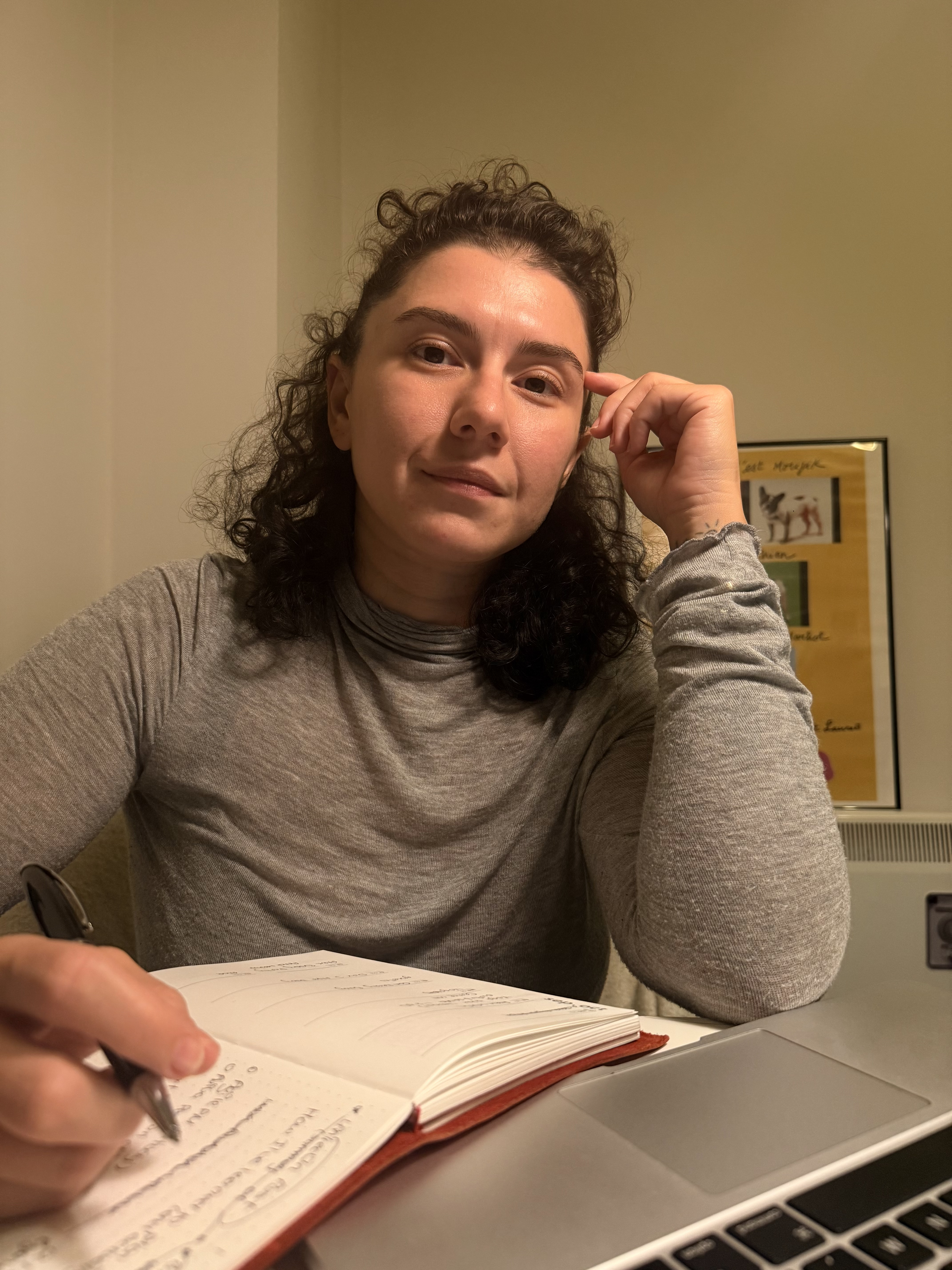
I used to kick off each year with long, ambitious lists — 20 goals I thought I “should” achieve. By February or March, most of them had already slipped off the radar, leaving me more frustrated than motivated.
Over time, I realised goal-setting isn’t about piling up tasks or beating yourself up for what didn’t happen. It’s about finding a flexible, motivating, and realistic way to work with your life.
Here’s what I’ve been experimenting with and what I’ve found helpful along the way.
Step 1: Start on a day that means something to you 🌙

I read about the fresh start effect from behavioural scientist Katherine Milkman. The idea is that we’re often more motivated to start new habits at meaningful landmarks, like birthdays, the first day of a new week, or even the change of a season.
For me, it’s often the moon: full moons, new moons, eclipses. I love the rhythm they bring and the little pause they offer to reflect and reset. It feels energising, and it reminds me to come back to what really matters.
Your meaningful day might be something different; the first day of autumn, a new year, a birthday week, or even a Monday that feels right. Starting on a day that resonates can make the first step feel a little easier.
Step 2: Keep your list manageable 🎯
I’ve learned the hard way that trying to tackle everything at once doesn’t work. No need for burnout now. Research shows it takes around 66 days to form a habit, so spreading yourself across too many goals can be overwhelming.
Now, I focus on a handful of goals, usually six to ten, in areas such as personal growth, health, professional development, and finances. It’s not perfect, and I fall behind some weeks, but keeping the list manageable helps me follow through.
Step 3: Write goals down and keep them visible ✍️

Dr Gail Matthews’ research suggests that people who write down their goals are much more likely to achieve them. I’ve been a firm calendar user since I was young, and now I keep multiple calendars — digital, physical, and even post-its around the house.
Seeing my goals regularly is a gentle reminder of what I’m working toward without feeling like pressure.
And, because I’m a stationery lover, I’ll share a favourite: I recently discovered Paper Republic. Their calendars are more than calendars, you keep the handcrafted leather cover forever, and swap out the paper stacks depending on your needs. I’ve tried bullet journals, digital planners, and everything in between, but Paper Republic has earned a special place in my heart for their ethical sourcing of leather and commitment to authenticity. No sponsorship here — just admiration for an Austrian brand I’ve been following for a couple of years.
Step 4: Break goals into tiny steps 🪜
Big goals can feel intimidating, like climbing a mountain when you don’t even know where the path starts. I’ve found it helps to break them into tiny, almost effortless actions.
For example, instead of “exercise more,” I’ll start with a thirty-minute walk on lunch break. “Read more books” becomes “read 50 pages before bed.”
Science backs this up. BJ Fogg in Tiny Habits and James Clear in Atomic Habits show that small changes compound over time. These little steps build momentum, and momentum keeps me going even on days when motivation is low.
Step 5: Stack habits onto routines 🔗
Habit stacking is another trick I’ve found useful. It’s about attaching a new habit to something you already do.

- After my morning coffee, I plan my day
- After a meeting, I note down the top three priorities for the day
- When I have yoga, I try to go for a swim & sauna too while I am at the gym. (You can read more about my yoga journey here.)
Step 6: Plan for setbacks 🌀
Life is unpredictable, and I’ve learned to expect setbacks. I try to believe that we learn from every experience and that everything happens for a reason.
For me, this might look like choosing an evening walk if I miss my morning yoga, or having a simple Plan B when things don’t go as expected. I first learned this lesson while interning at The Coca-Cola Company, planning an event with numerous moving parts — where I had to rely on the relationships I’d built at work to secure a few favours as a backup when the original approach started to wobble.
It’s not about being perfect. It’s about having a system that adapts and being kind to yourself when things don’t go as planned.
Final thoughts
I don’t have this figured out perfectly, but I’ve learned that planning smarter and not harder helps me make progress without getting overwhelmed.
Some things that help me:
- Start on a meaningful day
- Keep the list short and visible
- Break goals into micro-steps
- Attach habits to existing routines
- Expect setbacks and plan for them
Progress usually comes quietly, through repeated small actions. It’s not linear. Even if I don’t tick off everything I planned, I feel more grounded, motivated, and aware of how I’m growing.
Leave a Reply